
Boosting the Gig Worker Economy
For the last decade, billionaires have been reassuring us that our kids won’t need driver’s licenses anymore. Autonomous cars will take over. Transportation will be effortless. The future will drive itself. Strangely enough, the timeline feels very similar to certain engineering programs I’ve seen: the milestones keep slipping, the launch date is always “next year,” and somehow everyone is still optimistic.
One of the pioneers of this grand robotic vision was Waymo. Early robotaxi rides were done in a humble Chrysler Pacifica minivan. Not glamorous, but practical: spacious, predictable, and perfectly adequate for shuttling humans around while the robots practiced not running into things.
But practical rarely wins in Silicon Valley.
Soon the worker-class minivan was replaced by the much more exciting Jaguar I-Pace. Luxury! Premium! The kind of car that justifies charging more for the ride while reminding passengers they are participating in the future. It worked beautifully—until engineers discovered a small operational detail. The doors.
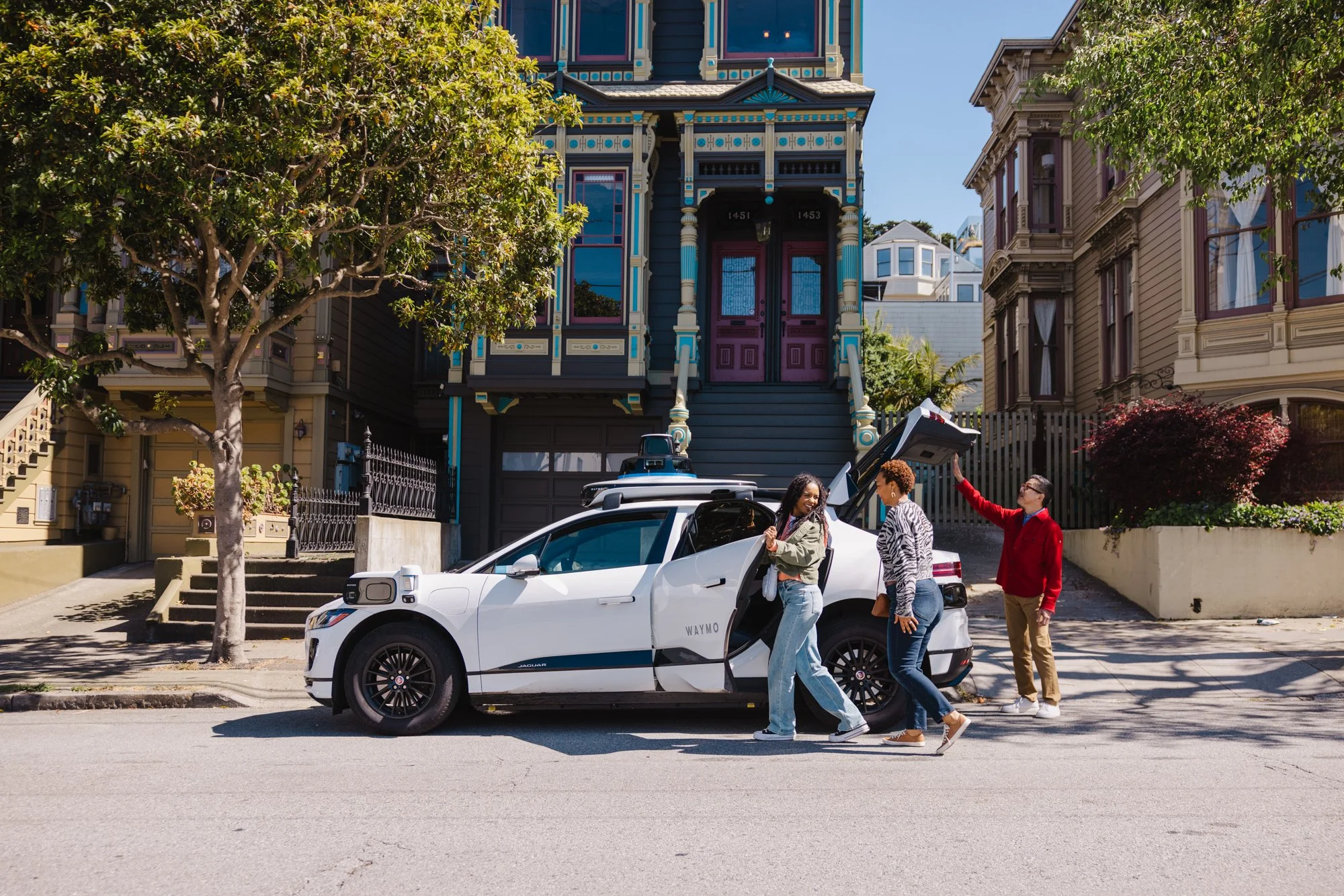
Unlike minivans with convenient sliding doors, the Jaguar has traditional ones. And when passengers finished their ride, many simply… walked away without closing them. The car, quite reasonably, refuses to drive around the city with a door open. Suddenly the fleet had a new failure mode: stranded robotaxis waiting patiently for someone—anyone—to close the door.
Now, you might assume that asking riders to close the door behind them would solve the problem. After all, people have managed this task successfully for about a hundred years. But when you’ve just experienced a magical autonomous ride that didn’t kill you, basic door etiquette apparently becomes optional.
Engineers proposed the obvious solution: install powered door actuation. Finance proposed the obvious counterargument: that sounds expensive.
Why redesign the vehicle when you can redesign the workforce? Thus emerged a wonderfully modern solution: pay humans about $20 to close the doors of stranded robotaxis. A beautiful example of innovation. The autonomous future—supported by gig workers.
Predictably, things got interesting. Soon a small black market emerged where people encouraged riders to leave the doors open so someone else could collect the payout. For a brief moment, closing robotaxi doors became more profitable than flipping burgers in a greasy kitchen.
Waymo noticed. The program was quietly dialed back, though the broader idea survived. Some reports suggested delivery drivers were occasionally tasked with assisting stranded vehicles. A neat little symbiosis: fewer food orders during inflation meant gig drivers had spare time, and robotaxis had doors that still needed closing.
The future of transportation, it turns out, is not fully autonomous. It’s autonomous… with support staff.
Meanwhile, new vehicles joining the fleet are reportedly shifting toward models with sliding doors again. Funny how innovation sometimes circles back to the original idea. Which leaves one unfortunate group: delivery drivers. If the new robotaxis don’t have doors that need closing, they’ll need customers ordering food again.
So please—do your part for the gig economy. Order takeout.