
The Day of the Lord
Does anyone remember what shopping looked like in Germany in the 1980s?
Stores closed at 6:30 PM on weekdays and at 1 PM on Saturdays. Sundays? Absolutely not. Downtowns felt abandoned, tourists felt betrayed, and anyone with a regular job basically had a weekly appointment with the shopping apocalypse.
If you actually worked for a living, you had one option: rush into the stores immediately before closing, along with every other employed human being in the country. Great shopping experience.
Then salvation arrived: Thursday evening shopping. Stores were allowed to stay open until 8 PM. And naturally, everyone and their entire extended family showed up at exactly the same time. Progress!
Decades later, globalization eventually ground its way through the system. Stores started staying open longer. International visitors, immigrants, and those strange cosmopolitan people who had apparently experienced supermarkets being open after dinner brought some dangerous new ideas.
But one sacred institution remained largely untouched: SUNDAY. You can shop at a train station. You can buy things at a gas station. You can probably purchase an overpriced sandwich at an airport. But a normal grocery store? Absolutely not.
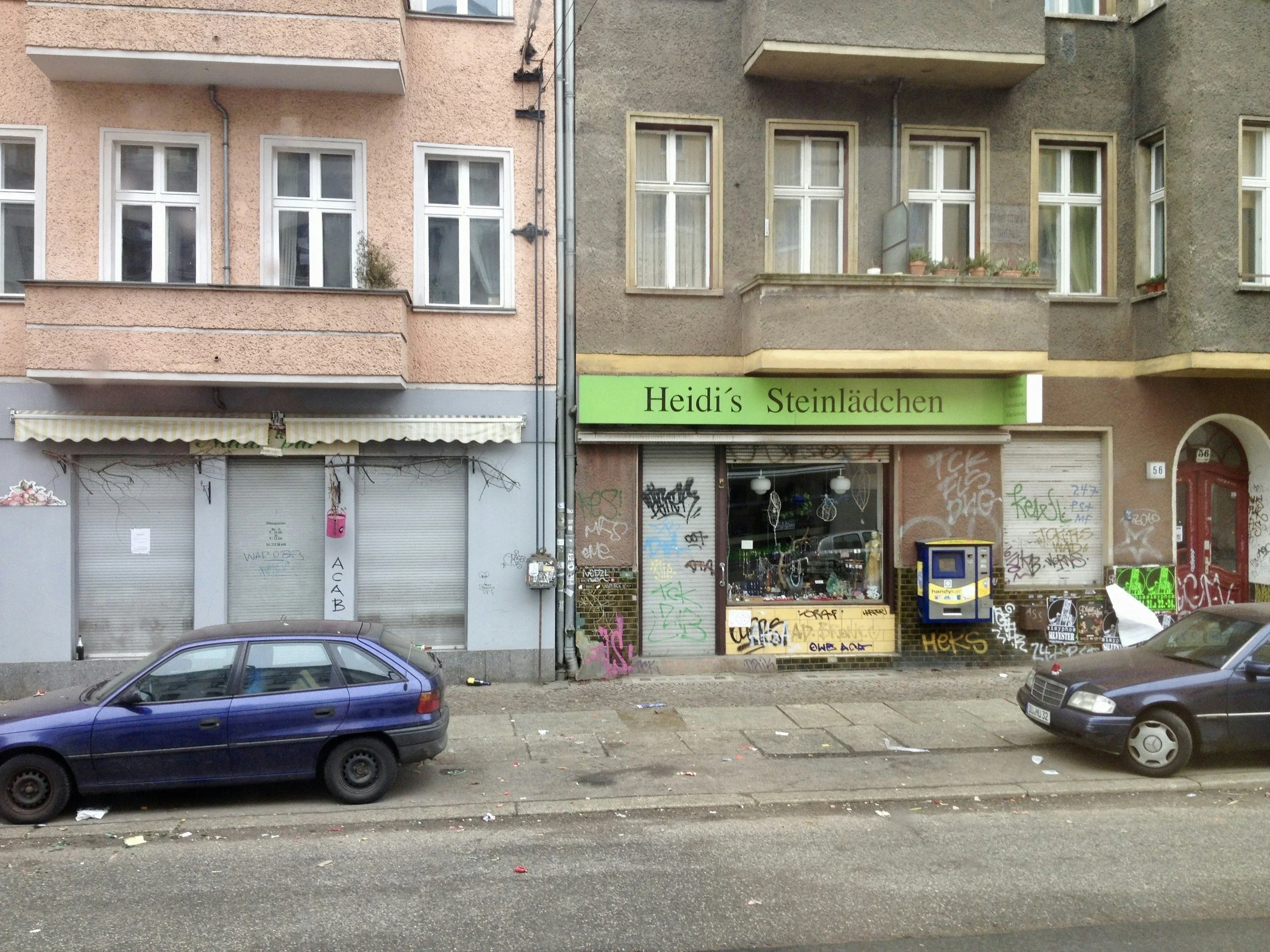
Because apparently civilization collapses if you buy milk on a Sunday. Unions have defended Sunday closing with the determination usually reserved for matters involving national survival. Workers need their rest. Society needs its traditions. The sanctity of Sunday must be protected.
Never mind that Germany isn't exactly the world's most hardcore Catholic country. Look at Spain or Portugal, countries with considerably more visible Catholic traditions. Somehow, people there have managed to survive supermarkets being open on Sundays. Nobody appears to have spontaneously combusted.
But Germany has a long-standing national talent for turning tradition into an argument against reality.
And now, finally, things seem to be shifting. Could the final bastion actually be coming down?
Supporters point to tourism and economic growth. “We need this. The economy is struggling. Save us!"
Opponents predict the usual apocalypse: "Employee well-being is going to hell, and nobody will go to church anymore!"
Of course, this being Germany, the revolution comes with approximately 47 pages of regulations and a footnote. The grand liberalization is... limited. Bakeries and libraries. That's right. Germany may finally be moving toward Sunday shopping, one croissant and one overdue library book at a time. What an accomplishment.
Apparently, bakery revenue is going to rescue the German economy. Laughable.
And even where stores are technically allowed to open, economics may do what regulation hasn't. Sunday work often comes with substantial wage premiums. If you have to pay employees dramatically more, while customers remain unwilling to pay dramatically more for the same loaf of bread, someone has to absorb the cost.
So perhaps the future of Sunday shopping is less glamorous than advertised. Self-service bakeries. Factory-produced bread. Minimal staffing. Possibly one lonely employee wandering around wondering why everyone else is at home.
And the rest of the world? It watches Germany have another five-year debate about whether citizens should be allowed to purchase toothpaste on Sunday. Then it moves on.
Meanwhile, stagnant Germany continues debating the issue of the week. Maybe by 2030 we'll finally allow a grocery store with fewer than four employees to open on Sundays.
But wait. Before we do something reckless like that, we'd better ask every citizen, every union representative, every committee, every state government, and probably the bakery lobby for their opinion.
After all, this is Germany. Tradition doesn't die. It files an application.